
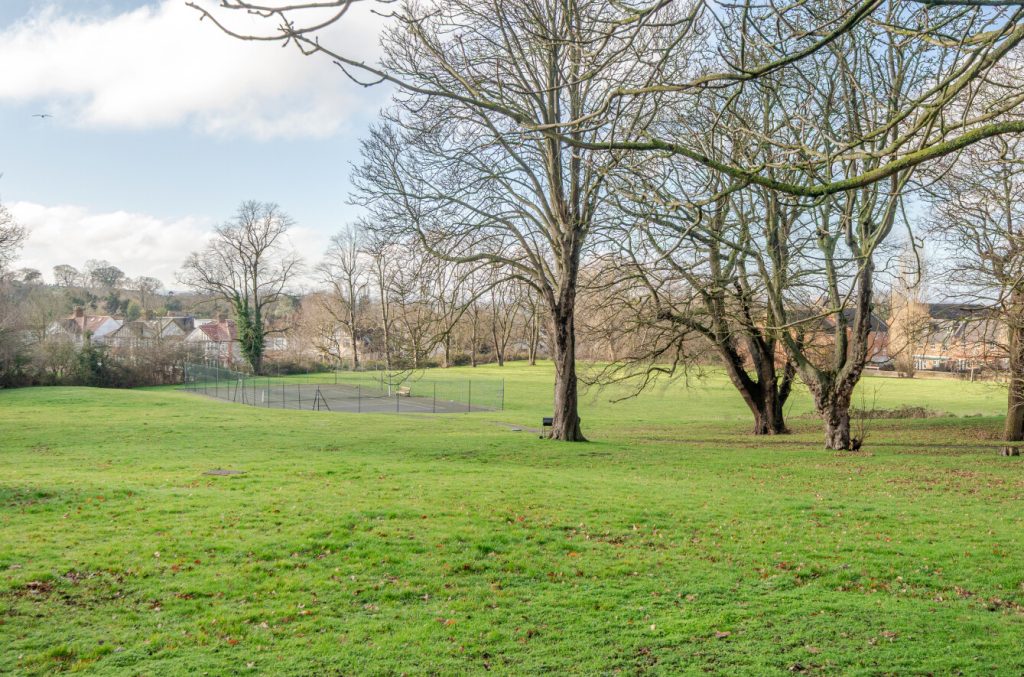
One of Woolwich’s most distinctive developments, this Grade-II listed estate was once a military hospital. Now comprising 228 luxury residential units within nine acres of landscaped gardens, the residents benefit from a wealth of communal resident facilities – an on-site leisure club, concierge services, a resident bar, and more.
Jennings & Barrett have managed the development since February 2020.
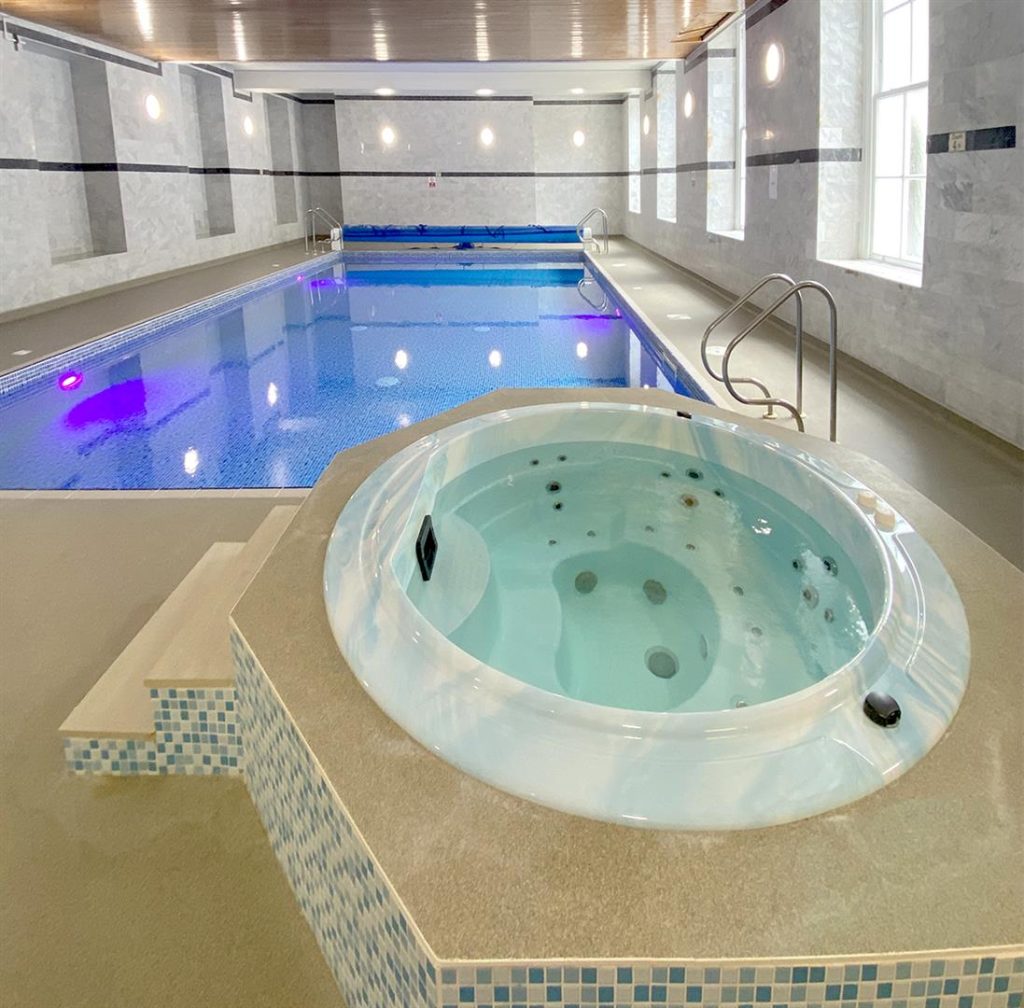

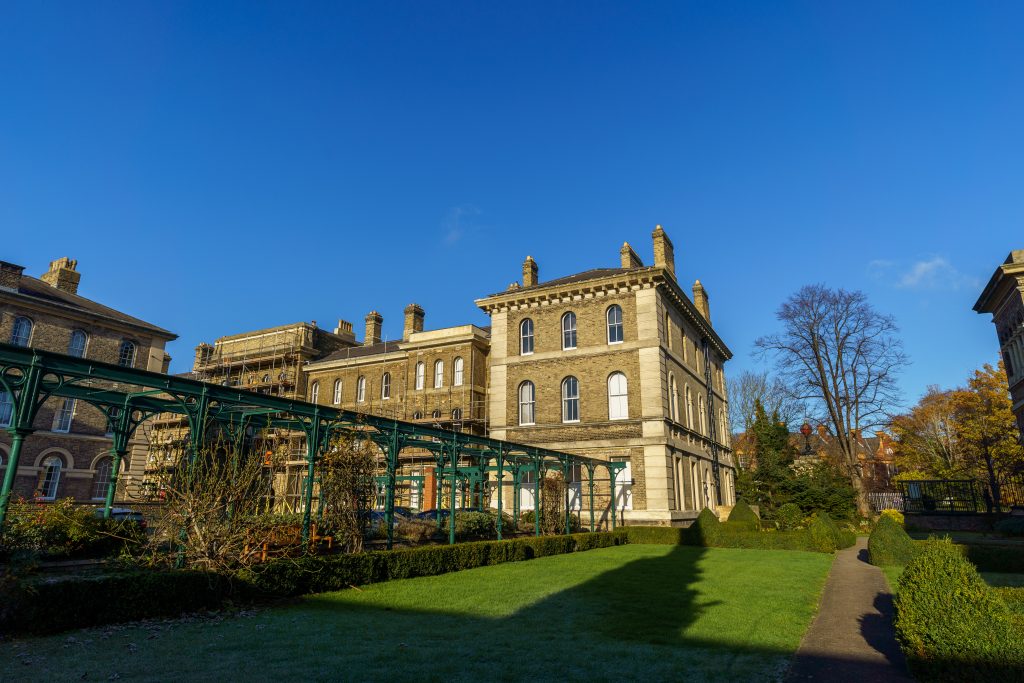
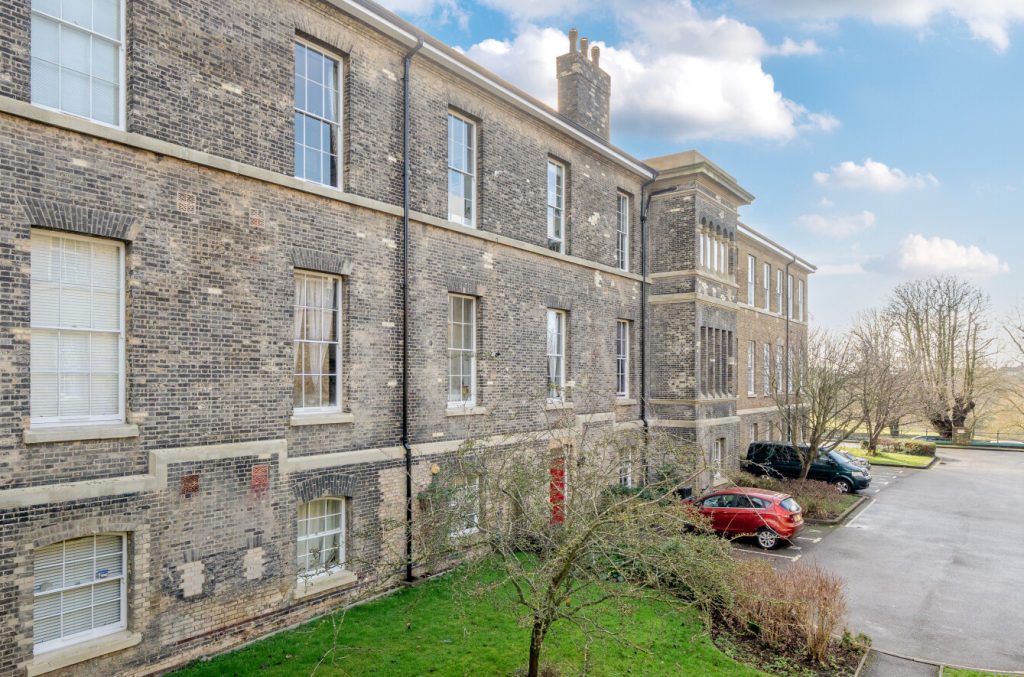
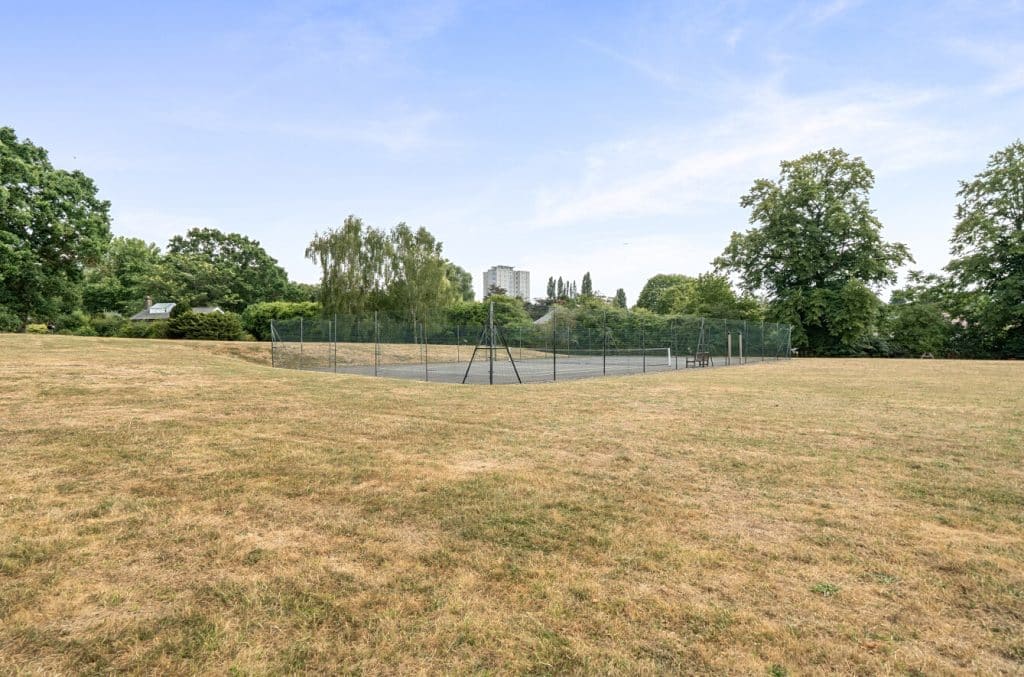
With its multiple buildings, heritage status, complex plant equipment serving facilities such as the swimming pool, on-site staffing requirements and extensive Planned Maintenance Plan (PMP), managing this estate requires a careful balance of preservation, large-scale estate management, regulatory compliance, and long-term asset maintenance, whilst serving a large and engaged resident community.
COORDINATING MANAGEMENT ACROSS ESTATES
This Development Required Our Support To …
Deliver an extensive Planned Maintenance Programme in accordance with the lease, protect the covenants of the lease across the large estate, and manage the large range of resident facilities across the complex.
Jennings & Barrett’s expertise and strong community support services ensures this complex development receives stable management at great value.
Are you looking for a Managing Agent experienced with Listed Heritage Buildings?
For proactive, transparent and compliance-led management for your London development. set up a call with us today to discuss your needs.
More About Managing Heritage Estates
What additional management skills might a Heritage Estate require?
Like any large residential building, the skills a Heritage Estate needs in its management company will depend on the amenities, features, and location of the estate.
Planned Maintenance Programmes (PMP) / Proactive Maintenance Programmes / Healthy reserve funds are, we believe, important for all residential developments to have – but Heritage Estates should make these a high priority. Choosing a Managing Agent who is experienced in Major Works/Section 20 consultations, ethical arrears collections and rebuilding reserve fund accounts is a benefit to Heritage Estates.
In order to identify what you’re likely to need from a Property Manager or Managing Agent, it’s best to talk to us – once we know more about your property, we can provide you with the appropriate advice.
What property features may affect the management needs of a Heritage Estate?
Just like other developments, the features of your buildings, grounds, and resident needs / lease terms will impact what you should be looking for in a property manager.
This includes, but is not limited to:
- Your building height – higher risk and high rise buildings have additional Fire Safety legislation to navigate.
- The size of your estate – how many Leaseholders need to be managed, what your Resident Profile is, and potential conflicts that may arise when they disagree with management decisions.
- On-site Staff – If you’re their employer, you need to be able to comply with relevant employment and health and safety legisations and regulations.
- Location – for example, a riverfront estate will need a Property Manager capable of negotiating with the London Port Authority or conducting river wall surveys, whether they are a listed development or not. The current risk for estates in South East England is clay shrinkage subsidence due to the recent warmer weather, so you may need a structural surveyor with experience in heritage building preservation.
- Resident facilities, including lifts, as these require careful maintenance and servicing planning.
- Shared facilities or mixed-use developments – you’ll need a Managing Agent capable of communicating / negotiating with stakeholders who may have competing interests.
What challenges can occur in the management of Heritage Estates?
As Managing Agents with a portfolio of listed buildings, we’ve seen the full spectrum of estate management challenges. From recovering large service charge arrears in order to complete overdue major works projects, to providing support during emergencies that such as mains water pipes bursting into lift shafts – we’re prepared for both long-term strategic planning and rectifications, as well as emergency crisis responses.
One challenge that inexperienced agents may not be able to anticipate comes from the age of the development – not just the structure, but the infrastructure, such as plumbing systems and electrical systems. Another is the layout of the building – if you don’t know where your stopcock is, you’re ill prepared for an emergency occurring. These can be particularly difficult to locate in historic warehouse conversions, so we recommend that all residents should be aware of where the stopcocks for their units, floors, buildings, etc. are located.
We’re also coming across more and more issues with lift maintenance. As the equipment ages out, replacement parts for malfunctioning lifts are getting harder to source. This means that older lift systems are getting harder to maintain.
Finally, it’s normal for listed buildings to have higher service charges – 60% of this development’s budget goes towards maintenance costs! But that doesn’t mean that Leaseholders are always happy to pay their contributions. Transparency and communication around planned maintenance programmes, major works/section 20 consultations, estate expenditure, but also recent estate improvements can help to ease these conflicts.
Proactive management is key to being prepared for these challenges.